In recent years, the concept of marine citizen science has gained tremendous popularity across the United Kingdom. More holidaymakers are seeking meaningful experiences that combine leisure with environmental conservation. These beach cleanup volunteer vacations offer a unique opportunity to contribute to scientific research while enjoying the stunning coastal landscapes that the UK has to offer.
Understanding Marine Citizen Science
Marine citizen science involves ordinary people collecting data and participating in research that helps scientists monitor and protect marine environments. This collaborative approach has become increasingly vital as our oceans face unprecedented threats from pollution, climate change, and habitat destruction.
The UK, with its 11,000+ miles of coastline, provides the perfect setting for marine citizen science opportunities. From the rugged shores of Scotland to the picturesque beaches of Cornwall, volunteers can engage in various conservation activities while developing a deeper connection with the marine environment.
Why Choose a Marine Citizen Science Holiday?
Choosing a beach cleanup volunteer vacation in the UK offers multiple benefits:
Meaningful contribution: Your efforts directly help protect marine ecosystems and contribute to scientific understanding.
Educational experience: Learn about marine biology, conservation techniques, and environmental challenges from experts in the field.
Unique perspectives: Experience the UK coastline from a different angle, accessing areas tourists rarely see.
Community connection: Meet like-minded individuals who share your passion for marine conservation.
Skill development: Gain practical skills in scientific data collection, species identification, and conservation techniques.
Top Marine Citizen Science Opportunities in the UK
The Marine Conservation Society’s Beachwatch Programme
The Marine Conservation Society (MCS) runs one of the UK’s most established citizen science initiatives through their Beachwatch programme. Volunteers participate in beach cleanup activities while simultaneously collecting valuable data on marine litter.
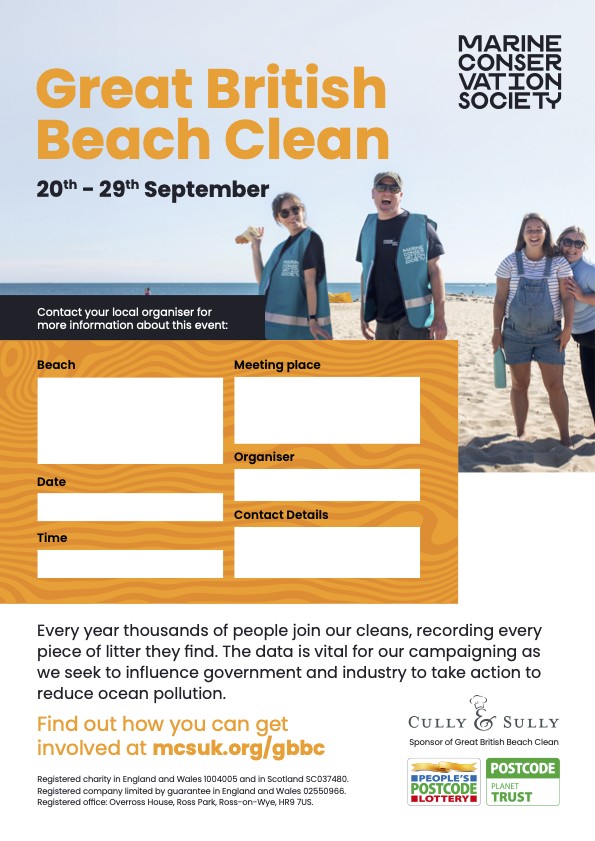
The flagship event, the Great British Beach Clean, takes place every September (with the next event scheduled for September 19-28, 2025) but opportunities exist year-round. Volunteers survey a 100-metre stretch of beach, recording every piece of litter found. This data helps scientists track pollution sources and provides evidence for campaigns targeting plastic pollution.
What to expect:
Survey training from experienced coordinators
Data collection on standardised forms
Group cleanup activities
Analysis discussions about findings
Opportunities to join local conservation groups
The MCS also offers microplastic surveys where volunteers collect data on these tiny but devastating pollutants that threaten marine ecosystems and human health.
For qualified divers looking for marine citizen science opportunities in the UK, Seasearch offers an exceptional experience. This nationwide programme trains recreational divers to record marine habitats and species, contributing to a massive database that informs marine conservation efforts.
What to expect:
Training in underwater surveying techniques
Identification of marine species and habitats
Guided dives with marine biologists
Data recording and submission
Advanced training opportunities for regular volunteers
Participants can join expeditions to document previously unsurveyed areas or monitor changes in known habitats, making a significant contribution to marine conservation knowledge.
SEASEARCH offer expert-led training in marine biodiversity recording, designed for individuals seeking professional-level competence in underwater surveying. Our nationally recognised courses span multiple levels, beginning with foundational snorkel and scuba identification modules and advancing through to specialised taxonomy, data handling, and habitat analysis. Every course integrates rigorous fieldwork, assessment dives, and accredited certification.
Their structured programmes aligns with the national marine monitoring framework. Participants progress through modular levels with clear benchmarks in species identification, ecological surveying, and data submission standards. Whether enhancing citizen science contributions or pursuing a conservation career, our training empowers practical impact.
Instructors With Decades of Marine Biology Expertise
Trainers include marine ecologists and active researchers with direct involvement in habitat protection initiatives. Each brings decades of UK coastal experience, from kelp forests to offshore sediment zones.
Ongoing Community & Post-Training Support
Graduates access an exclusive alumni network, monthly skill refreshers, and UK-wide dive meetups. Data collected through our projects contributes to national databases, supporting vital conservation policy.
The Wildlife Trusts across the UK run various marine citizen science holidays through their Living Seas programme. In the North West, for example, volunteers can participate in coastal surveys, rockpool explorations, and habitat monitoring activities.
Whether you can spare a few hours or commit to multiple days, these opportunities provide a chance to make a real difference while enjoying the beauty of the UK coastline.
What to expect:
Expert guidance from Wildlife Trust marine officers
Participation in ongoing research projects
Family-friendly activities suitable for all ages
Local ecological knowledge and context
Diverse locations across the UK coastline
Shoresearch UK: Intertidal Citizen Science
Shoresearch UK: Empowering Communities Through Intertidal Citizen Science
Shoresearch is a national citizen science programme led by The Wildlife Trusts, encouraging volunteers to help monitor the UK’s intertidal zones. This initiative provides vital data for conservation and empowers communities to contribute meaningfully to marine protection.
The Importance of Intertidal Zones
Why Intertidal Zones Matter
These areas between the high and low tide lines are biodiversity hotspots. They serve as critical habitats for fish, birds, and invertebrates, while also acting as natural barriers against erosion. Monitoring them is essential for:
Conservation: Tracking marine species and their habitats
Climate research: Identifying changes in species distribution
Beach Cleanup Volunteer Vacations in Specific UK Regions
Cornwall Marine Citizen Science Opportunities
Cornwall’s stunning coastline offers some of the most sought-after marine citizen science opportunities in the UK. Local organisations coordinate regular beach cleanups and surveys, particularly during peak tourism seasons when marine litter increases.
Notable programmes:
Cornwall Wildlife Trust Marine Strandings Network: Record and monitor marine animal strandings
Fathoms Free: Specialise in removing ghost fishing gear and marine debris
Beach Guardian: Community-led beach cleaning initiatives with educational components
These programmes allow visitors to combine a traditional Cornish holiday with meaningful conservation work, experiencing the region’s beauty while helping preserve it for future generations.
Interactive Infographic: Citizen Science in Falmouth
Citizen Science in Falmouth: How You Can Make a Difference
Explore how locals and visitors are helping protect the marine environment
What is Citizen Science?
Public involvement in scientific research that empowers communities and supports marine conservation.
Falmouth Harbour
Ongoing citizen science efforts focused on harbour sustainability.
Whale Watch
Marine megafauna monitoring by the community.
Seagrass Restoration
Snorkel safaris and plant monitoring for estuary health.
Blue Recovery
Bringing education and hands-on conservation to Falmouth.
Scotland’s dramatic coastlines host numerous marine citizen science opportunities, from the populated central belt to remote Highland and island locations. The Scottish Wildlife Trust and other organisations coordinate volunteer vacations that may include monitoring marine mammal populations, surveying seabird colonies, or documenting intertidal habitats.
What to expect:
Exposure to diverse marine ecosystems
Potential wildlife encounters including seals, dolphins, and seabirds
Remote beach cleanup activities in pristine environments
Challenging but rewarding conditions
Cultural immersion in coastal communities
Citizen Science and Seabird Conservation: How You Can Make a Difference
Citizen Science and Seabird Conservation: How You Can Make a Difference
Empowering individuals to protect seabirds and marine biodiversity through citizen science in the UK.
Introduction
Seabirds are vital indicators of ocean health, yet many species are facing unprecedented threats due to climate change, overfishing, and pollution. Citizen science offers a powerful way for individuals to contribute to the monitoring and protection of these essential creatures. By participating in data collection and research, volunteers play a crucial role in conservation efforts.
The Importance of Seabirds
Seabirds, such as puffins, gannets, and kittiwakes, are integral to marine ecosystems. They help maintain the balance of marine life and serve as indicators of environmental changes. Monitoring their populations provides insights into the health of our oceans and the impacts of human activities.
Understanding Citizen Science
Citizen science involves public participation in scientific research. Volunteers collect data, conduct observations, and contribute to large-scale studies. This collaborative approach enhances scientific understanding and fosters community engagement in conservation.
Benefits of Participating in Citizen Science
Scientific Advancement: Expands data collection efforts, leading to more comprehensive research outcomes.
Personal Growth: Offers educational opportunities and the chance to develop new skills.
Community Engagement: Encourages stewardship and a deeper connection to the natural environment.
Key Citizen Science Projects in the UK
Seabird Monitoring Programme (SMP)
Coordinated by the Joint Nature Conservation Committee (JNCC), the SMP monitors breeding seabird populations across the UK. Volunteers assist in collecting data on seabird abundance and productivity.
An initiative by the University of Oxford, Seabird Watch utilizes time-lapse cameras to monitor seabird colonies. Volunteers analyze images to track breeding success and phenology.
VSAS recruits and trains volunteers to conduct seabird surveys from vessels. Using standardized methods, participants collect data on seabird distribution and abundance at sea.
A collaboration between the Marine Conservation Society and the Natural History Museum, this project invites volunteers to record seaweed species along the UK coastline, contributing to research on climate change and biodiversity.
Training: Many projects offer training sessions or materials to equip volunteers with the necessary skills.
Data Collection: Participate in surveys, record observations, and submit data through designated platforms.
Community Events: Join local conservation events, workshops, or beach clean-ups to engage with like-minded individuals.
Ready to make a difference? Explore current opportunities and join a project today!
Tips for Effective Participation
Stay Informed: Keep up-to-date with project guidelines and protocols.
Be Consistent: Regular participation enhances data reliability and research outcomes.
Share Experiences: Encourage others to join by sharing your involvement and findings.
Addressing Common Questions
Do I need prior experience?
No. Most citizen science projects provide the necessary training and resources for volunteers of all backgrounds.
Is there a time commitment?
Time commitments vary. Some projects require regular participation, while others are flexible and can be done at your convenience.
Can I participate remotely?
Yes. Projects like Seabird Watch allow volunteers to contribute by analyzing images online from anywhere.
Conclusion
Citizen science empowers individuals to play an active role in seabird conservation. By participating in monitoring and research efforts, you contribute to the protection of marine biodiversity and the health of our oceans. Whether you’re a seasoned birdwatcher or a curious newcomer, there’s a place for you in the world of citizen science.
Wales offers distinctive marine citizen science holidays that combine the country’s strong conservation ethic with its accessible coastline. The Cardigan Bay Marine Wildlife Centre and similar organisations provide structured volunteer programmes focusing on dolphin research, coastal habitat surveys, and beach cleanups.
What to expect:
Monitoring of the resident bottlenose dolphin population
Data collection on marine megafauna
Land-based wildlife watching activities
Habitat restoration work
Community engagement with local fishing industries
How to Prepare for a Marine Citizen Science Holiday
Essential Equipment for Beach Cleanup Volunteers
Essential Equipment for Beach Cleanup Volunteers
Be prepared for your next beach cleanup volunteer vacation in the UK
Your Equipment Checklist
Weather-appropriate clothing
Waterproof footwear
Gardening gloves
Reusable water bottle
Snacks
Sunscreen
Hat
Camera/smartphone
Notebook & pencil
Tide tables
Clothing
👕
Weather-appropriate clothing
Layers are essential given the UK’s changeable coastal weather
Base layer: Moisture-wicking t-shirt
Mid layer: Fleece or light jumper
Outer layer: Waterproof jacket
Quick-drying trousers
Extra socks
Footwear
👢
Sturdy waterproof footwear
Rocky shores and muddy beaches require proper protection
Wellington boots for muddy conditions
Hiking boots for rocky shores
Water shoes for mixed terrain
Closed-toe design is essential
Non-slip soles recommended
Protection
🧤
Gardening or work gloves
For safely handling marine debris
Heavy-duty rubber or latex gloves
Cut-resistant preferable
Bring spares in case of damage
Should fit well but allow dexterity
Consider waterproof options
Sustenance
🍶
Reusable water bottle and snacks
Stay hydrated and energised
1L minimum capacity water bottle
Insulated bottle keeps drinks cool/warm
Energy-dense snacks: nuts, dried fruits
Protein bars for sustained energy
Avoid plastic packaging
Sun Protection
🧴
Sunscreen and hat
Even on cloudy days, UV exposure can be significant
SPF 30+ water-resistant sunscreen
Wide-brimmed hat for face protection
Reapply sunscreen every 2 hours
UV-protective sunglasses
Consider UPF-rated clothing
Documentation
📱
Camera or smartphone
Document findings and experiences
Waterproof case/bag recommended
Extra battery pack for full-day cleanups
Consider Marine Debris Tracker app
Clean Camera app for identifying items
Share photos to raise awareness
Record Keeping
📝
Notebook and pencil
Record observations and data
Waterproof notebook ideal
Pencils work when paper is damp
Track quantities of different waste types
Note unusual findings or wildlife sightings
Contribute data to scientific research
Safety Planning
🌊
Tide tables
Essential for planning safe coastal activities
Sample Tide Table – Cornwall
Date
High Tide
Low Tide
Mon
07:14, 19:42
01:02, 13:30
Tue
08:22, 20:48
02:16, 14:42
Wed
09:18, 21:38
03:20, 15:36
Always check local tide times before your cleanup!
UK Coastal Weather Awareness
🌧️
Rain
Frequent showers can occur even in summer months
💨
Wind
Coastal areas often experience strong winds
☀️
Sun
UV levels can be high even on cloudy days
🌡️
Temperature
Averages 10-18°C in spring/summer
Pro Tip
Pack everything in a backpack to keep your hands free for collecting debris. Consider bringing a small first aid kit for minor cuts or scrapes you might encounter!
Booking Your Marine Citizen Science Holiday
To secure a place on the best marine citizen science opportunities in the UK:
Research organisations: Look for established groups with clear conservation objectives
Book well in advance: Popular programmes fill quickly, especially for summer dates
Check requirements: Some activities may have minimum age or fitness requirements
Consider timing: Different seasons offer various research opportunities and species
Verify accommodation: Some programmes include lodging while others require separate arrangements
Understand the commitment: Clarify expected hours and types of activities
Prepare for weather contingencies: UK coastal weather can disrupt planned activities
The Impact of Your Participation
Scientific Contributions of Citizen Scientists
The data collected during beach cleanup volunteer vacations contributes significantly to scientific understanding and conservation efforts:
Baseline data: Establishing normal conditions and species distributions
Trend identification: Tracking changes in marine environments over time
Problem detection: Early identification of pollution events or invasive species
Solution development: Evidence for conservation interventions and policies
Public awareness: Broader communication of marine conservation challenges
Your participation as a citizen scientist extends scientific capacity far beyond what professional researchers could accomplish alone.
Personal Development Benefits
Beyond the environmental impact, marine citizen science holidays offer personal growth:
Environmental awareness: Deeper understanding of marine ecosystems and threats
Scientific literacy: Practical experience with research methods and data analysis
Conservation techniques: Hands-on skills in environmental protection
Nature connection: Meaningful experiences in natural environments
Environmental advocacy: Knowledge and motivation to support conservation causes
Many participants report that these experiences transform their relationship with the natural world and inspire ongoing conservation involvement.
Planning Your Marine Citizen Science Itinerary
Combining Conservation with Traditional Tourism
The ideal marine citizen science holiday balances volunteer activities with traditional tourist experiences:
Morning conservation, afternoon exploration: Many programmes operate half-day schedules
Multi-centre holidays: Combine volunteer periods at different coastal locations
Family participation: Choose family-friendly programmes that engage all ages
Photography opportunities: Document both conservation work and natural beauty
Local cuisine: Experience sustainable seafood and coastal gastronomy
Cultural heritage: Visit maritime museums and fishing villages
Active pursuits: Incorporate coastal walking, kayaking, or wild swimming
Extended Programmes and Regular Involvement
For those seeking deeper engagement with marine citizen science opportunities in the UK:
Training programmes: Develop specialised skills in marine survey techniques
Coordinator roles: Progress to leading citizen science activities after gaining experience
Regional networks: Join ongoing community monitoring programmes
Long-term projects: Contribute to multi-year research initiatives
Specialised research: Focus on particular species or conservation challenges
The Future of Marine Citizen Science in the UK
Emerging Technologies and Approaches
The landscape of marine citizen science opportunities in the UK continues to evolve with:
Smartphone applications: Simplified data collection and submission
DNA sampling: Citizen collection of environmental DNA samples
Drone surveys: Volunteer operation of drones for coastal monitoring
Remote sensing: Interpretation of satellite imagery for habitat mapping
Virtual participation: Online analysis of collected data and images
These innovations make participation more accessible and expand the scientific impact of volunteer contributions.
Policy Influence and Conservation Outcomes
The evidence gathered during beach cleanup volunteer vacations influences marine conservation policy:
Marine Protected Area designation: Identifying critical habitats for protection
Plastic reduction initiatives: Supporting bans on single-use plastics
Coastal development decisions: Evaluating environmental impacts
Climate adaptation strategies: Planning for coastal community resilience
By participating in UK marine citizen science, volunteers contribute to these broader conservation outcomes.
Making the Most of Your Marine Citizen Science Experience
Deepening Your Marine Knowledge
To enhance your marine citizen science holiday experience:
Pre-trip research: Familiarise yourself with local marine species and habitats
Field guides: Bring or download identification resources for common findings
Local expertise: Engage with programme leaders and local experts
Evening lectures: Attend supplementary educational sessions when offered
Follow-up learning: Continue exploring topics encountered during your experience
Sharing Your Experience
Extending the impact of your beach cleanup volunteer vacation:
Social media documentation: Share your experience and findings respectfully
Community presentations: Discuss your participation with local groups
School engagement: Volunteer to share with educational institutions
Continued participation: Join or start local initiatives in your home area
Advocacy support: Use your first-hand knowledge in conservation campaigns
Conclusion
The UK’s extensive coastline offers extraordinary marine citizen science opportunities that combine meaningful conservation work with memorable holiday experiences. Whether you’re surveying marine life, monitoring water quality, or participating in beach cleanup volunteer vacations, these activities allow you to contribute to scientific understanding while developing a deeper connection with the marine environment.
As threats to ocean health continue to grow, the role of citizen scientists becomes increasingly vital. Your participation in these programmes not only helps protect the UK’s precious marine ecosystems but also creates a community of informed advocates for ocean conservation.
By choosing a marine citizen science holiday in the UK, you’re not just taking a vacation—you’re making a difference for our shared blue planet.
We use cookies to ensure that we give you the best experience on our website. If you continue to use this site we will assume that you are happy with it.Ok